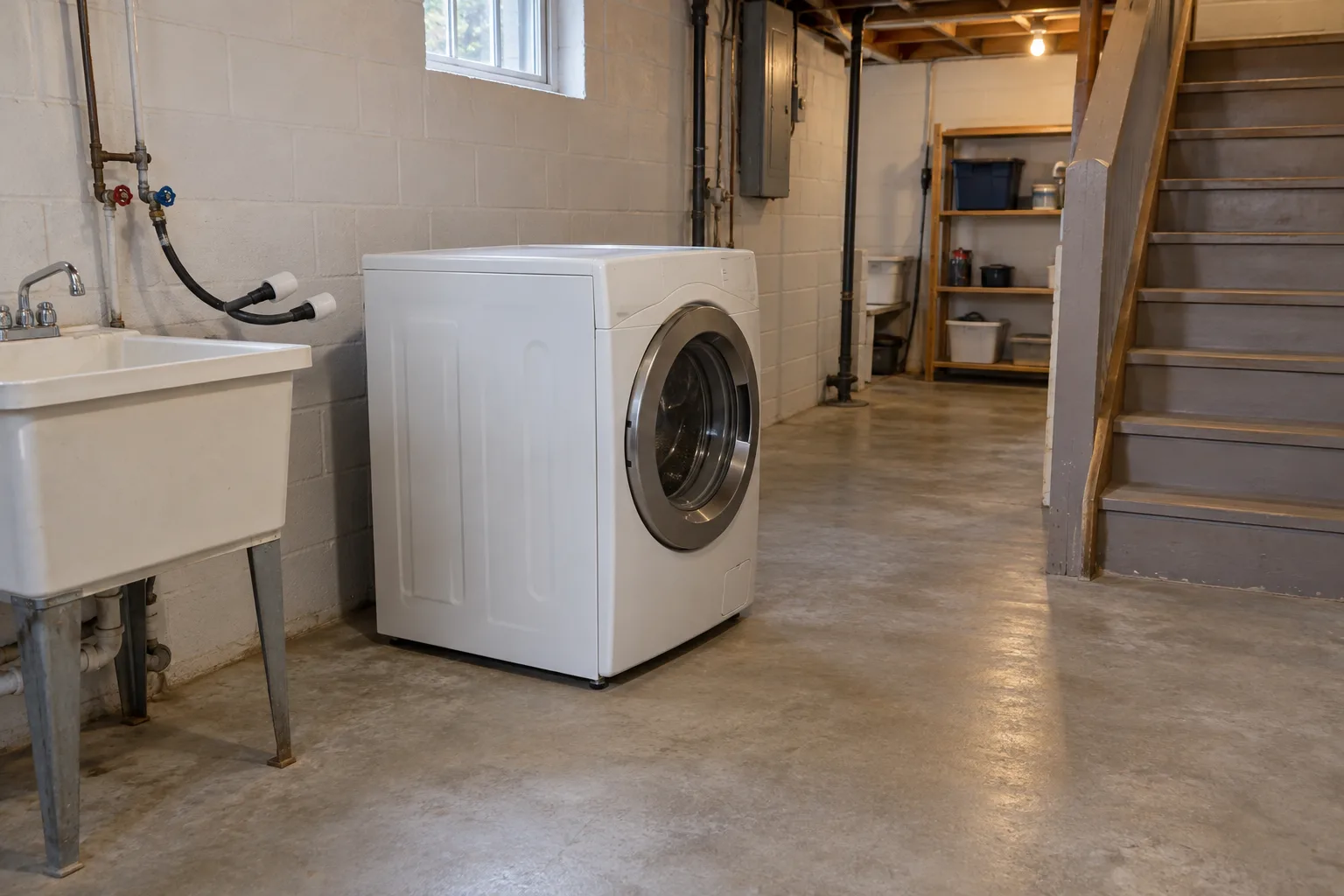
Do not start by pulling the appliance away from the wall. Find the model information, identify every connection, photograph the room, and ask the provider what must be completed before pickup. Gas, hard-wired electrical, water, vent, and refrigerant issues may require qualified help.
Use one checklist for every appliance
| Check | Write down | Confirm with |
|---|---|---|
| Identity | Appliance type, approximate dimensions, model if visible | Removal provider |
| Location | Floor, stairs, doors, turns, and carry distance | Removal provider |
| Connections | Plug, hard-wire, gas, water, drain, vent, or ice line | Provider and qualified trade as needed |
| Condition | Working, broken, leaking, wet, damaged, or contaminated | Removal provider |
| Contents | Food, water, lint, ice, detergent, or loose parts | Manufacturer instructions and provider |
Leave gas work to a qualified professional
National Fuel tells customers not to move a gas appliance to inspect its connector. It says a qualified licensed plumber, heating contractor, or appliance repairperson should check or replace the connector. Follow the appliance manufacturer’s instructions as well. Read National Fuel’s appliance safety guidance.
If you smell gas, do not continue preparing the appliance. Leave the area and follow the gas utility’s emergency instructions. A hauling appointment is not the place to diagnose a fuel leak.
Ask before disconnecting water or power
A plugged-in appliance may look easy to disconnect, but access can be poor and shutoff valves can be old. Hard-wired appliances and fixed connections may require an electrician or plumber. Ask the provider whether the unit must be disconnected, drained, defrosted, or moved away from the wall before arrival.
For a refrigerator or freezer, discuss food, ice, water lines, doors, and refrigerant handling. For a washer, discuss supply hoses, the drain line, remaining water, and basement stairs. For a dryer, identify whether it is gas or electric and note the vent connection. The appliance removal page lists the details to share on the call.
Do not put electronics in the appliance pile
New York’s electronic-waste rules cover devices such as televisions, computers, monitors, and many peripherals, but the state list excludes household appliances such as washers, dryers, refrigerators, ovens, and dishwashers. Separate the categories so the provider can confirm each one.
Check Buffalo disposal rules if you are not hiring pickup
The City of Buffalo’s current sanitation page says televisions and computers are not accepted curbside and directs residents to the City Engineering Garage at 1120 Seneca Street under stated limits and hours. The City lists appliances such as refrigerators and stoves under its bulk and drop-off information. Rules change, so use the current page or call 311 before moving anything outside. Check Buffalo Streets and Sanitation.
Pickup-day check
- The provider has confirmed the appliance is accepted.
- Required trade work is complete.
- Food, water, ice, lint, and loose parts are handled as instructed.
- The route is dry, lit, and clear of ordinary trip hazards.
- Children and pets can stay away from the work area.
- The provider knows about stairs, narrow doors, parking, and building rules.
When those points are ready, call or email the operating provider with photos and the access note.
- National Fuel appliance safety and efficiency, New York and Pennsylvania
- City of Buffalo Streets and Sanitation, City of Buffalo residents
- NYSDEC consumer electronic waste guidance, New York State